#07-01 Paragon Medical Suites
Weekdays 9am — 6pm | Sat 9am — 5pm

Weight Loss

Medical Treatment

A once-weekly medical treatment program designed to support appetite control and improve how your body regulates blood sugar and hunger signals.
Easy Weekly Administration
Safe & Effective
Painless-Mild Discomfort
Medically Guided by Our Doctor

Check if you are eligible

Doctor-Guided Weight Loss Program

A pre-filled weekly applicator pen may be recommended by our doctor, designed to regulate appetite and support weight loss.
GLP-1 Therapy: A clinically guided weekly weight management treatment that helps regulate appetite and reduce food intake by enhancing natural fullness signals.
GLP-1 & GIP Therapy: A newer weekly treatment that works on two natural metabolic pathways. It supports appetite reduction while also improving how the body processes energy, helping enhance weight loss outcomes under medical supervision.
Reducing appetite
Slowing stomach emptying
Improving insulin secretion
Lowering blood sugar levels

GLP-1 vs GIP — What’s the Difference?

Both GLP-1 and GIP are natural hormones released by the body after eating.They help regulate hunger, blood sugar, and how the body handles energy. But they play different roles.

GLP-1: Appetite & Fullness

GLP-1 mainly helps to control how much you eat.

Helping you feel full sooner
Reducing hunger signals
Slowing digestion
Supporting healthy blood sugar levels

GIP: Energy & Metabolism

GIP helps regulate how your body uses what you eat.

Supporting how the body processes nutrients
Influencing how energy is stored or used
Supporting blood sugar balance

How Our Medical Programme Differs

Approach

Our Medically Guided Weekly Therapies
Generic Weight Loss Programmes

Approach

Works through GLP-1 or GLP-1 + GIP pathways
Focus on diet plans, supplements or external procedures

Focus

Supports appetite and metabolic regulation
Focuses mainly on calorie reduction

Personalisation

Based on medical consultation
Often standardised programmes

Supervision

Doctor-guided
Non-medical coaching

Frequency

Once-weekly treatment
Daily compliance required

Mechanism

Works through natural biological pathways
Behavioural or external methods

Craving Support

Addresses hunger signals
Often relies on willpower

Focus

Supports appetite and metabolic regulation
Focuses mainly on calorie reduction

Whole-Body Support

Yes
Varies

Programme Style

Medical strategy
Lifestyle-led approach

Exit Strategy

Structured tapering with appetite retraining when appropriate
Often requires ongoing programme participation

End Goal

Sustainable long-term weight management
Ongoing programme adherence

Always consult a medical professional before starting your weight loss journey.

This treatment makes you feel fuller, eat less, lose more.

Weekly Weight Loss Pen:

The Science Helping You Eat Less & Lose More
Appetite Control
It signals the brain that you’re full, helping to reduce hunger and calorie intake naturally.
Promotes Weight Loss
By decreasing appetite and slowing digestion, it helps support steady fat loss when combined with lifestyle changes.
Improves Blood Sugar Levels
It boosts insulin production (when needed) and reduces liver glucose output, helping to stabilise blood sugar, especially important for people with type 2 diabetes or insulin resistance.
Slows Gastric Emptying
Food stays in the stomach longer, which enhances satiety and reduces overeating.
Supports Insulin Sensitivity
Improves the body’s response to insulin, which helps with fat metabolism and reduces fat storage.
Reduces Risk of Heart Disease
Some medications have shown benefits in lowering cardiovascular risk, including heart attack and stroke.

Weekly Weight Loss Pen:

The Science Helping You Eat Less & Lose More
Nausea
COMMON
Vomiting
COMMON
Bloating or gas
COMMON
Constipation or diarrhoea
COMMON
Headache
COMMON
Fatigue
COMMON
Dizziness
COMMON
Application site reactions (redness or swelling)
(redness or swelling)
COMMON
Less Common but Important:
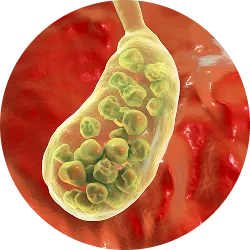
Gallbladder issues
(e.g. gallstones)
LESS COMMON
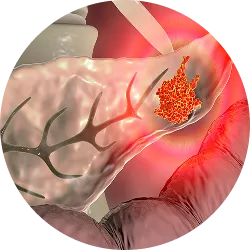
Pancreatitis
(inflammation of the pancreas)
LESS COMMON
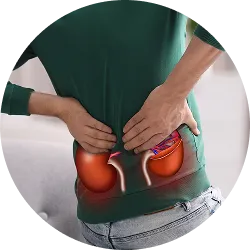
Kidney function changes
LESS COMMON
Increased heart rate
LESS COMMON

Discuss all possible side effects with our doctor.

Check if you are eligible

How is the Weekly Weight Loss Pen right for me?

You may be a good candidate if:

Your BMI is

  • Over 30 (obese), or
  • Over 27 with a weight-related health condition (e.g. high blood pressure, type 2 diabetes, high cholesterol)

You’ve tried diet and exercise but struggle with hunger, cravings, or keeping the weight off

You’re looking for medical, science-backed support to help you lose weight safely and sustainably